




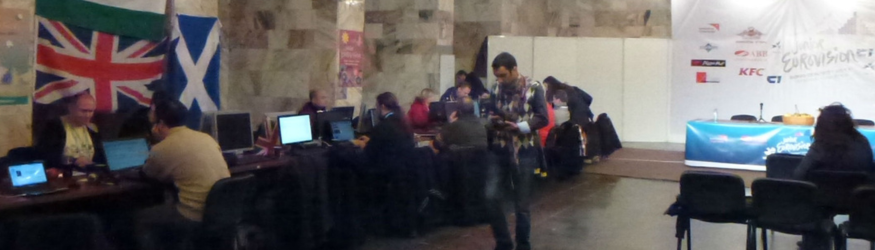
The Junior Eurovision Song Contest passed by us last December with a good few hours of Eurovision entertainment. New artists, new songs, and an exciting voting sequence that saw France take victory for the 4th time in 6 years.
Now Junior Eurovision might have passed you by. We will take it as read that, if you are on www.escinsight.com reading this article, you probably watch the Eurovision Song Contest. But Junior Eurovision is not for everyone. Fewer countries participate, often with reduced viewing figures, and as a product its target audience is narrower and younger. It is therefore little surprise to see the EBU’s post-Tbilisi press release citing record reach levels and social media engagement, heavy on showing how Twitch, YouTube, TikTok and the like are all spaces of meteoric gains.
The EBU can and should celebrate their successes in getting more content consumed about Junior Eurovision. Not only does it promote their show, but it gives more reach to their participating broadcasters and ultimately to the young artists themselves.
However, despite all of these success stories of increased reach and audience interaction, there is a fundamental paradox in how the contest now manages its young stars. In Tbilisi, some things were notably different compared to previous years. The Opening Ceremony was no longer livestreamed, losing also the little interviews with each act as they arrived. The press centre was gone, meaning no press conferences and no accredited media on site, and, with that, no independent coverage of the competition.
Martin Green, the Eurovision Song Contest Director who also takes this role at Junior Eurovision, spoke in said press release about “outstanding engagement”, “exceptional reach” and Junior Eurovision’s “position as a truly global celebration of young talent, creativity and togetherness.” Yet it feels at odds with these principles that the EBU has chosen to reduce independent media access to zero.
This article seeks to discuss this strategic choice from the perspective of the young performers themselves. Why insulating young artists from the media misses a key opportunity for their personal growth, what history shows us about the contestant experience at Junior Eurovision, and how a safer, child-centric model can restore the joy of sharing their stories.
The Value of Media Experience for Young Artists
While at this year’s Eurovision Song Contest in Vienna, Martin Green spoke at a press briefing about the upcoming Junior Eurovision Song Contest in Malta. When asked about the accreditation decision in Tbilisi, Green confirmed that the policy is set to continue:
“We don’t do a big press operation at Junior because we are dealing with very young people and it’s really about their experience. It is a different environment we are trying to create at Junior, without all this pressure that grown ups get and currently it works very well.”
The senior Eurovision Song Contest operates on a scale many times larger in terms of media pressure. Vienna’s media centre saw approximately 1,000 journalists from over 50 nations surrounding the Contest. In Madrid, the last time Junior Eurovision had separate accredited media, that figure was around ten times smaller.
There are certainly aspects of the adult Eurovision Press Centre that are inappropriate for a children’s competition Intensive act-by-act press meet-and-greets that can feel like interrogations, post-Semi-Final press conferences that zap energy from exhausted acts, or frenzies for promotional CD and selfies that are not child-friendly environments.
Even the main Eurovision Song Contest has moved away from many of these practices in the modern era. Today, all press conferences and meet-and-greets outside of the winner’s press conference have been removed from the schedule to protect artist wellbeing.
Martin Green is right that Junior Eurovision is “really about their experience.” But treating all media engagement as inherent “pressure” risks misunderstanding what these moments mean to the performers themselves. For a young artist representing their country, sitting down for an age-appropriate conversation about their music can often be one of the highlights of the biggest week of their life. It validates their hard work, builds confidence, and offers a supportive space to learn how to share their story. Removing media interaction entirely risks treating young artists as passive subjects to be shielded, and losing the chance to get a great opportunity to hone their skills at working with the media.
Lessons from Nice 2023: Designing for the Contestants
I was not present in Tbilisi, nor did I travel to Madrid in 2024. But I was present in Nice in 2023, where the Mediterranean warmth still shone in November and made for a beautiful sunshine Contest . Looking back at how media operated that week illustrates why the framework needed reform, but also why I think removing media entirely was the wrong conclusion.
In Nice:
- Like at Eurovision, press were not granted access to the Press Centre to watch the artists’ individual rehearsals
- The Press Centre was open from Friday to Sunday (the live show was on Sunday)
- On Friday, the Press Centre was open for four hours in the afternoon, however no activities for press were scheduled
- On Saturday, a Press Conference took place for the participating artists, and the Dress Rehearsal took place
- On Sunday, the full focus was on the Live Show, and a Winners’ Press Conference took place.
This setup created an awkward dynamic. For journalists covering Junior Eurovision, getting access as late as two days before showtime isn’t cutting the mustard. It takes days of build up, especially for the community media, to promote the Song Contest and create stories and interest.
For delegations on site, by Friday the focus switches completely to the performances at the Jury Show and Live Final, meaning the time to prioritise media coverage has been and gone.
Getting international interest for a young artist is part of why national broadcasters enter the Contest. For many of these acts, Junior Eurovision is the biggest platform they haven’t just experienced in their short lives, it might be the biggest they will ever experience. More importantly when done right, these interactions are genuine fun. I recall seeing one interview take place where one community site journalist stunned the child artist by the level of research they had done into their previous career and experiences in their home country, as well as learning a greeting in the child’s language. Meeting the media can be part of the fun.
The traditional Press Conference format was indeed part of the problem. Press conferences are designed for extracting on-the-record statements from decision makers. Press conferences are entirely the wrong tool for creating a comfortable environment for children, forcing Q&A sessions one at a time in front of at least a hundred people, often heightening nerves rather than building confidence.
Because the official schedule offered no relaxed, individual media space, delegations in 2023 took matters into their own hands, inviting media to meet acts at official team hotels out near Nice Airport. The EBU rightly stepped in to halt this practice, protecting the artists’ private downtime away from the media hanging out in their space. Yet because no official alternative existed, it created bizarre workarounds. I was asked to meet the delegation from the BBC to discuss the costumes and staging of UK representative STAND UNIQU3. I was invited to the hotel, but between the invite and the EBU’s ruling, actually coming inside was a no no. The workaround was to use the patio outside said hotel, which thankfully being Nice in November was a glorious twenty degrees Celsius.
The Nice media experience proved that Junior Eurovision needs some restructuring. But the friction didn’t arise because media work is inherently harmful to children; it arose because there was no time-appropriate safe space to conduct it. Banning media access entirely solved the administrative problem, but it deprived media, delegations and acts of its opportunities.
Inspiration from Youth Sports
There are few artistic competitions or events out there with the multinational and television platform as Junior Eurovision has for our young people at the club.
But there are events where young people train and practice over and over again, compete in front of big televised audiences, and are subject to media attention.
Sports.
To find a model for how Junior Eurovision could handle independent media responsibly, we can look to football, a sport with a large enough platform within Europe that media interest exists with the same age range as Junior Eurovision.
The UEFA Youth League is designed primarily for under-19 teams, but its entry rules mean the age spectrum dips much lower. According to official tournament records, the competition has seen players step onto the pitch at just 13 years old, squarely in the middle of the Junior Eurovision demographic (aged 9 to 14). These young athletes are playing on a continental stage with international television broadcasts, high-stakes tournament pressure, and a taste of the type of media attention that their professional career may eventually turn into a regular part of the job.
UEFA, European football’s governing body, co-ordinates a system enabling media to cover the matches, while still ensuring safeguards are in place for the safeguarding of the young participants involved. Instead of shutting the door on independent coverage, UEFA outlines clear frame conditions in its Child and Youth Protection Event Guidelines, outlining some of the steps for safeguarding that also covers media coverage.
What a Child-Centric Model Could Look Like at Junior Eurovision
Media access at Junior Eurovision should never copy the high-pressure environment of the adult contest. Instead, taking inspiration from how youth sports operate and UEFA’s guidelines, media access should be designed entirely around supporting the young participants:
- Dedicated Safeguarding: Junior Eurovision should feature a named Safeguarding Lead with clear responsibility for monitoring all media interactions.
- Clear Code of Conduct: A specific code of conduct for working with young performers should be mandatory for all accredited media, backed by a brief briefing on child safety standards.
- Controlled, Optional 1-on-1 Environments: Media work should be restricted to a designated, safe space within the venue during pre-agreed times. Delegations manage this process entirely based on their acts’ schedules and wishes.
- No Press Conferences: Mass press conferences for children should be retired completely in favour of relaxed, one-on-one or small-group chats.
- Always Accompanied: Young artists should always be accompanied by a parent, guardian, or delegation member who approves all contact and can stop an interview at any point.
- Geographic Boundaries: Official artist hotels remain strictly off-limits to media to protect downtime and privacy. Instead a media working space should be provided at or close-by the venue
Conclusion: Empowering Young Voices
Junior Eurovision is for many participants the grandest stage of their young lives. Media opportunities are a part of that milestone. Over the years, some of the warmest, most joyous moments around the Contest have come from creative, lighthearted interactions between passionate media and excited young performers. The experience of any Eurovision, from fan to performer to technical director, isn’t just the awe of being in the arena for someone’s three minutes of fame, but who you meet along the way and the feeling of sharing the experience with them.
Martin Green noted that Junior Eurovision aims to create an environment “without all this pressure.” But media interaction does not have to mean pressure, and implying media interaction is pressure is an unfair accusation. Even at this year’s Contest in Malta are interviews taking place for some acts on the ground with some of the media there anyway, or online. These interactions are now sub-optimal. Not for content, but for location, lighting and the freedom of feeling able to turn on and turn off that side of the occasion. UEFA shows a way this can be done correctly and appropriately, why does Junior Eurovision not?
Instead of a blanket ban, the EBU has an opportunity to lead the way in best-practice youth media management. By establishing clear safeguarding framework conditions and a safe workspace, Junior Eurovision can protect its young stars while giving them a safe, empowering, and memorable platform that actually enhances the Junior Eurovision experience.